

The Ultimate Guide to Finding the Best Indicator for Binary Options
In today’s trading environment, where speed, accuracy, and tools of the trade are of utmost importance, finding the best indicator for binary options 1 minute best binary options trading platforms can greatly impact your trading performance. One of the most critical components of successful trading in binary options is choosing the right indicator. In this article, we will explore the best indicators available for binary options trading, how they work, and how you can use them to enhance your trading strategy.
Understanding Binary Options
Binary options are a simple and straightforward way to trade on financial assets. Traders speculate whether the price of an asset will go up or down within a stipulated time frame. The decision is binary: you either win a predetermined amount or lose your entire investment. Given this high-risk nature of trading, having a reliable indicator can help improve the odds of making profitable decisions.
What Are Trading Indicators?
Trading indicators are statistical calculations based on historical price and volume data. Traders use these indicators to predict future price movements and to make informed decisions about their trades. There are numerous indicators available, each serving a different purpose. In binary options trading, some indicators are more effective than others, depending on the asset being traded and the overall market conditions.
Types of Indicators for Binary Options
Let’s delve into some of the most popular types of indicators used in binary options trading:
1. Moving Averages (MA)
Moving Averages smooth out price action, helping traders identify the trend of an asset. There are different types of moving averages, such as Simple Moving Average (SMA) and Exponential Moving Average (EMA). They are ideal for determining the direction of the trend and making decisions based on crossovers. Traders often look for buying signals when the short-term MA crosses above the long-term MA and vice versa for selling signals.
2. Relative Strength Index (RSI)
The Relative Strength Index (RSI) is a momentum oscillator that measures the speed and change of price movements. It ranges from 0 to 100 and is typically used to identify overbought or oversold conditions. A reading above 70 indicates that an asset may be overbought (considering a potential sell), while a reading below 30 suggests it may be oversold (considering a potential buy). This indicator can help traders decide when to enter or exit trades based on momentum.
3. Bollinger Bands

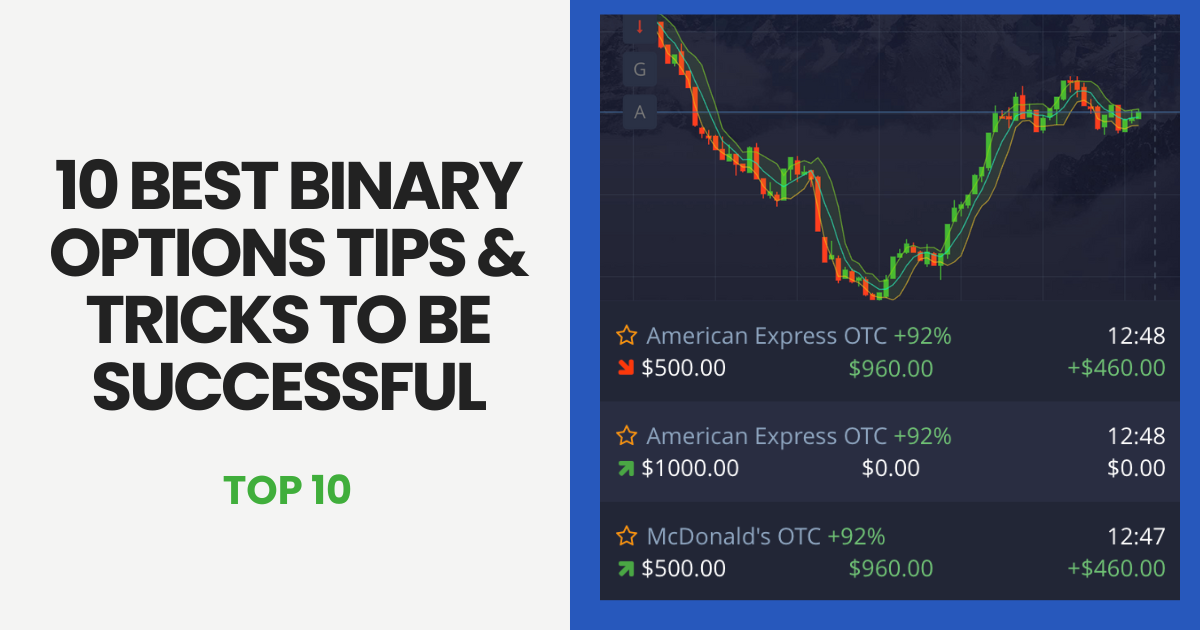
Bollinger Bands consist of a middle band (the moving average) and two other bands (standard deviations from the moving average). This tool is excellent for determining market volatility and potential price reversals. When the price touches the lower band, it may be a buying opportunity, while touching the upper band may indicate a selling opportunity. Bollinger Bands can be particularly useful during trending markets.
4. Stochastic Oscillator
The Stochastic Oscillator is another momentum indicator that compares an asset’s closing price to its price range over a specific period. Values above 80 indicate that the asset may be overbought, while values below 20 indicate oversold conditions. This indicator is useful for identifying potential reversal points and can be combined with other indicators for increased reliability.
5. MACD (Moving Average Convergence Divergence)
The MACD is a trend-following momentum indicator that shows the relationship between two moving averages of an asset’s price. It comprises three components: the MACD line, the signal line, and the histogram. Crossovers between the MACD line and the signal line can signal potential buy or sell opportunities. The histogram indicates the strength of the current trend and can signal potential reversals.
Combining Indicators for Better Results
Relying on just one indicator can lead to false signals and poor trading decisions. A combination of multiple indicators that serve different purposes is often more effective. For instance, combining RSI and MACD can provide a stronger confirmation for entry and exit points. Traders are advised to develop a strategy that complements their trading style and risk tolerance.
How to Choose the Best Indicator for Your Trading Style
When selecting the best indicator for binary options trading, consider the following factors:
- Your Trading Strategy: Are you a day trader or a swing trader? Different indicators may cater to different trading styles.
- Market Conditions: Certain indicators may perform better in trending markets, while others thrive in ranging markets.
- Backtesting: Always test your chosen indicators on historical data to gauge their effectiveness before applying them in real-time trading.
Risks Involved
While indicators can improve trading outcomes, all trading carries risk. It is crucial to employ proper risk management strategies and not rely solely on indicators. Market conditions can change rapidly, and no indicator can guarantee success. Always set stop-loss orders and manage your capital wisely to mitigate losses.
Conclusion
The best indicator for binary options trading ultimately depends on your trading style, preferences, and market conditions. By understanding various indicators and how they work, you can develop a robust trading strategy that enhances your decision-making process. Remember that while indicators can provide valuable insights, they should be part of a broader trading plan that includes risk management and psychological preparedness.