

By assessing your caloric requirements, incorporating a variety of nutrient-dense foods, and maintaining hydration, you lay a strong foundation for optimal health. Practical strategies like meal prepping, grocery shopping smartly, and avoiding common dietary mistakes further enhance your ability to sustain a balanced diet. A balanced diet is essential for dogs, as it provides them with the necessary nutrients to maintain optimal health. A balanced diet should include a mix of protein, fat, carbohydrates, vitamins, and minerals. Protein is particularly important for dogs, as it provides the building blocks for muscle growth and repair.
- Try to limit the amount of unhealthy snacks available in the house by sticking to your list.
- Dietary guidelines evolve with scientific advances, so it can be challenging to stay on top of current recommendations and know what to eat.
- Ideally, further reduction to below 5% of total energy intake is recommended for additional health benefits.
- But beware of peanut butter—although it definitely helps keep hunger pains under control, there’s the big risk of eating too much.
- An A1C test or the hgba1c chart can help you determine the appropriate goals for diabetes medication for your patient’s age and health.
- When fresh fruit is not in season, try a frozen, canned, or dried variety.
Instead of being overly concerned with counting calories, for example, think of your diet in terms of color, variety, and freshness. Focus on minimizing packaged and heavily processed foods and opting for more fresh ingredients whenever possible. Keeping your goals modest can help you achieve more in the long term without feeling deprived or overwhelmed by a major diet overhaul. Think of improving your diet as a number of small, manageable steps—like adding a salad to a meal once a day.
What are normal blood sugar levels?
Crunchy veggies like peppers, cucumbers, and carrots add texture, color, and fiber. However, it is important to remember that cooking vegetables removes some of their nutritional value. Also, some methods, such as deep-frying, can add unhealthful fats to a dish. Find out how to ensure children aged five to 13 get the nutrition they need – from all-important breakfast to healthy snacks – with our expert guide. Try fruits beyond apples and bananas, such as mangos, pineapples, or kiwis. When fresh fruit is not in season, try a frozen, canned, or dried variety.
Starchy foods in your diet
Put your fork down between bites, sip water, and enjoy conversation while you dine. Sit down, turn off the television, and create a peaceful environment free of distractions to enjoy your meals. Snacks are part of your overall nutrition, not just filler between meals. Planning them ahead can help you avoid the vending machine or random impulse purchases.
The Importance of Nutrient Density
According to the American Diabetes Association (2023), the typical target A1C level for adults is around 7%, corresponding to an average blood sugar level of 126 mg/dL. However, this may need to be adjusted based on individual circumstances. This https://www.nhs.uk/live-well/eat-well/how-to-eat-a-balanced-diet/eight-tips-for-healthy-eating/ translates to a daily average blood sugar of less than 126mg/dL. Regularly monitoring your weight and height can be useful tool help you track your progress and make necessary adjustments to your lifestyle.
Food swap guide
When you have a poor diet, you function at less optimal levels and unimeal reviews may experience bouts of infection, fatigue, brain fog, or other health conditions. Just make a few notes about what went well and what could be simplified next time. People who stay aware of these patterns tend to stick with meal planning longer and feel more confident doing it.
Ready to take control of your health?
Eating a balanced diet is one of the most crucial aspects of maintaining good health. It provides the body with the necessary nutrients, vitamins, and minerals to function properly. A well-balanced diet helps in preventing diseases, boosts energy, and supports growth and development. Adopting a balanced diet is not a temporary fix but a lifestyle change that offers enduring benefits. These include sustained energy levels, improved mental clarity, stronger immunity, and reduced risk of chronic diseases.
Be aware that dried and canned fruit may contain added sugars or syrups. Choose canned varieties of fruit packed in water or in its own juice. After the age of 2 years, children should move to eating the same foods as the rest of the family in the proportions shown in the Eatwell Guide.
Milk and dairy foods (and alternatives)
These include unsweetened coffee or tea and water naturally flavored with fruit or herbs, per the American Heart Association. Set your goals, track your food, and lose weight — all using the Lose It! Kale, arugula, spinach, mustard greens, broccoli, and Chinese cabbage are all packed with nutrients. To add flavor to your salad greens, try drizzling with olive oil, adding a spicy dressing, or sprinkling with almond slices, chickpeas, a little bacon, parmesan, or goat cheese.
Drug Classifications Chart
Remember to consult with a veterinarian before making any significant changes to your dog’s diet, and to transition your dog slowly to a new diet. With a little knowledge and planning, you can provide your dog with the gift of a long, healthy, and happy life. Common mistakes to avoid when trying to achieve a balanced diet include relying too heavily on processed and packaged foods, not drinking enough water, and skipping meals. Additionally, individuals may also make the mistake of not getting enough physical activity, not getting enough sleep, and not managing stress.
Effective meal prep and smart grocery shopping are pivotal in maintaining a balanced diet, especially for beginners. Dinner should be satisfying without being overly heavy, allowing for digestion before bedtime. Fats are essential for hormone production, brain health, and the absorption of fat-soluble vitamins (A, D, E, K).
What are the benefits of a balanced natural diet for dogs?
Week by week, step by step, this report will help you analyze your diet, establish goals for healthy meals and snacks, and incorporate practical changes to make your healthy diet a reality. By making just a few dietary changes each week, you can ease your way into a new pattern of healthy eating. Each week builds on the previous steps, and in just six short weeks, you’ll have made an important lifestyle change that can last a lifetime. Applying the latest results from nutrition science, Harvard experts take you by the hand and guide you to create an eating plan to improve heart health, longevity, energy, and vitality.
Keep a Running List of Favorite Meals
The most helpful thing is to pay attention to how food makes you feel. If you’re aiming for balance, it’s not about being perfect but about being consistent, flexible, and being kind to yourself. When it comes to eating healthy, understanding the role of nutrients in our diet can help us make informed choices about what we put on our plates. Meat is a good source of protein, vitamins and minerals, including iron, zinc and B vitamins.
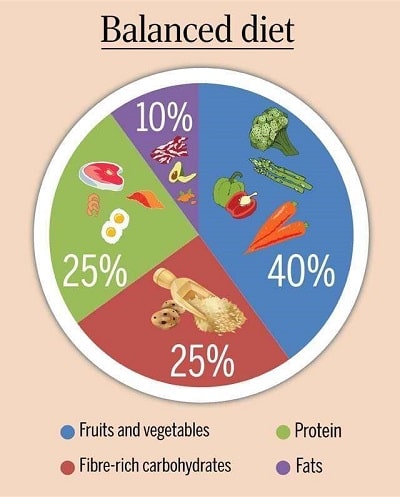
There are many cultures around the world in which people may not eat their meals from a plate. Protein power – ¼ of your plate.Fish, poultry, beans, and nuts are all healthy, versatile protein sources—they can be mixed into salads, and pair well with vegetables on a plate. Limit red meat, and avoid processed meats such as bacon and sausage. The Dietary Guidelines helps all Americans choose healthy eating patterns — and it’s a key resource for policymakers and health professionals. Both a regular balanced diet and the Mediterranean diet can help you lose weight. A structured types of foodstuff approach helps in meal planning and ensures nutrient intake remains balanced.
The A1C Goals by Age Chart is a reference for recommended A1C goals, often presented as estimated average glucose (eAG) blood sugar levels for various age groups. It’s important to emphasize to patients that these are general guidelines. Several factors influence individual target A1C levels, and consulting with you is essential to establish personalized goals based on their unique health profile. This chart allows healthcare professionals to easily compare blood sugar readings against target ranges.