

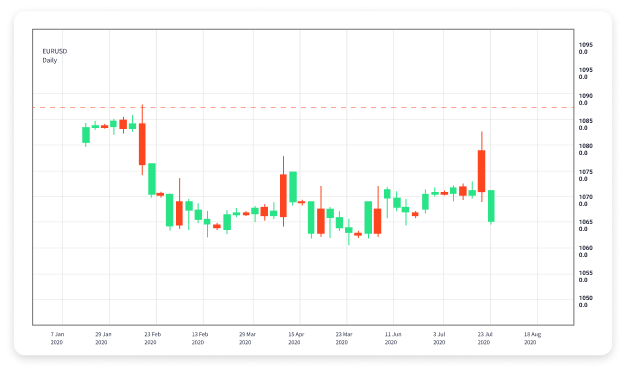
Essential Guide to Opening a Forex Trading Account
Forex trading offers an exciting opportunity for individuals looking to invest in global currencies. If you’re interested in becoming a forex trader, the first step is to open a forex trading account opening Thai Trading Platforms. This guide will help you navigate the process and make informed decisions.
Understanding Forex Trading Accounts
A Forex trading account is a type of brokerage account that allows you to buy and sell currencies. Different types of accounts cater to various trading needs. It’s critical to choose the right type of account that matches your trading strategy, capital, and experience level.
Types of Forex Trading Accounts
Before you open an account, familiarize yourself with the types available:
- Standard Accounts: Ideal for experienced traders, these accounts usually require a higher minimum deposit and offer greater leverage.
- Mini Accounts: Suitable for beginners, mini accounts allow for smaller trades and lower minimum deposits.
- Micro Accounts: These accounts are perfect for novice traders looking to start with minimal risk and investment.
- VIP Accounts: Designed for high-net-worth individuals, these accounts often come with personalized services and higher leverage.
Requirements for Opening a Forex Trading Account
Once you decide which type of account suits your needs, here are the general requirements to open a Forex trading account:
- Identification Document: A government-issued ID, such as a passport or driver’s license, is commonly required.
- Proof of Address: Utility bills or bank statements dated within the last three months can validate your address.
- Account Details: You’ll need to provide bank account information for deposits and withdrawals.
- Application Form: Most brokers will require you to fill out an application form asking for personal information and trading experience.
Steps to Open a Forex Trading Account
Follow these steps to open your Forex trading account:
Step 1: Research and Choose a Broker

Not all brokers are created equal. Research various brokers and compare their fees, trading platforms, customer service, and regulatory standing. Look for brokers that suit your trading style and offer tools and resources to aid in your trading journey.
Step 2: Complete the Application Form
Once you’ve identified a trustworthy broker, fill out the application form. Be honest and thorough to avoid any issues during verification.
Step 3: Submit Required Documents
After filling out the application, upload the required identification and proof of address documents. Most brokers offer an easy online submission process.
Step 4: Fund Your Account
After your application is approved, you will need to deposit funds to start trading. Brokerage accounts typically allow various funding methods, including bank transfers, credit cards, or e-wallet services.
Step 5: Start Trading!
Once your account is funded, you can begin trading. Take advantage of any demo accounts offered by the broker to practice trading with virtual money before risking your capital.
Common Mistakes to Avoid When Opening a Forex Trading Account
Opening a Forex trading account can be straightforward, but avoid these common pitfalls:
- Not Reading the Terms and Conditions: It’s crucial to read your broker’s terms and conditions to understand fees and limitations.
- Choosing the Wrong Broker: Avoid brokers with poor reviews and a lack of regulation.
- Insufficient Research: Don’t rush the process. Conduct thorough research to make informed decisions.
Conclusion
Opening a Forex trading account is a vital step in your trading journey. By understanding the types of accounts, requirements, and the steps involved, you can ensure that you set up your account correctly. Avoid common mistakes, do your research, and start trading wisely to succeed in the Forex market.
Remember that Forex trading involves a level of risk, and it’s essential to educate yourself continuously. Good luck!